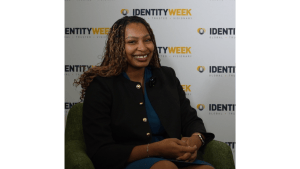
Graham Camm will have plenty to say about the UK’s Home Office’s architecture of biometric deployments in June for Identity Week Europe 2026.
He is one of our returning experts whose role is to integrate biometric solutions to serve verification needs across the Home Office.
Serving a wide range of customers, HO Biometrics Programme leverages biometric modalities including DNA for law enforcement, face and fingerprint recognition, whilst keeping tabs on the emerging trends in the space.
“We have something like 50 customers across core Home Office of Immigration, Borders, Passports and then Law Enforcement. Trust Your Policing Scotland, Northern Ireland, Counter Terrorism, National Crime Agency, British Transport Police, the list goes on”.
They are experimenting with the technology similar to the industry in training and testing models and delivering optimised services across government. The data sets produced by biometric verification cover immigration, passport and law enforcement needs, such as conducting risk checks, watch list checks, and criminality checks.
In a panel on 10 June, Graham Camm is expected to lead on the biometric use cases setting an example in government national identity programmes, and also mandating how industries should deploy biometrics.
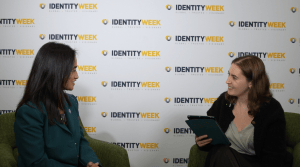
In 2024, during an interview, Camm commented that they are “talking with various government departments about bringing on additional services and data sets in the future”. They are a data processor for their customers, providing data sets and minimising the pain of performance testing, but the biggest benefit is enabling cross-searching.
The data search across agencies allows cross-referencing to check if someone is wanted for a crime and to enforce immigration law.
“So (the platform) is joining up the data and making that available back to the customers to decide what to do with the insights that are provided”.
How important is privacy and security then with how much you’re using the data for all these different services?
“Privacy is absolutely fundamental”, a simple but powerful statement.
He explains for any new use of technology, data sets, or processes, ethics committees consider if the biometrics are used in a proportionate, ethical way.