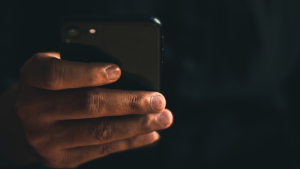
For years, many Filipino senior citizens carried worn plastic cards in wallets and envelopes to claim medicine discounts, transportation privileges, and government benefits. Now, the Philippine government wants those privileges to fit inside a smartphone.
A nationwide reminder has been issued by The National Commission of Senior Citizens directing government offices, banks, and private establishments to recognise the digital National Senior Citizens ID (NSCID) as a valid form of identification for elderly Filipinos using the government’s eGovPH app.
The advisory comes as the country accelerates its digital governance programs, with officials describing the mobile-based ID system as part of a broader effort to modernise public services and reduce bureaucratic hurdles for older citizens. According to the NCSC, more than 1.3 million senior citizens had already accessed their digital IDs through the eGovPH platform as of April 2026.
“The digital National Senior Citizens ID is an official and legitimate government-issued identification,” NCSC Chairperson Ma. Merceditas Gutierrez said in the advisory, urging institutions to honor the digital credential “similar to other government IDs available through the eGovPH App.”
Under Public Advisory No. 1, Series of 2026, the digital ID may be used to access the legally mandated 20% senior discount and VAT exemptions on medicines, food, transportation, and other covered services. Officials also said it can be presented for banking transactions, loan applications, government assistance claims, and identity verification procedures.
The digital NSCID was formally launched in partnership with the Department of Information and Communications Technology in 2025 through the eGovPH Super App.
Still, the transition has exposed familiar challenges in the country’s uneven adoption of digital identity systems.
Filipinos reveal mixed experiences using the digital ID as some users praised the convenience of being able to present IDs directly from their phones, especially for elderly relatives who often forget physical cards. Others reported cases where establishments allegedly refused to honour digital IDs despite government directives.
Another argued banks and institutions should be required to fully accept digital credentials if the government intends to shift services online.
The NCSC says both physical and digital senior citizen IDs remain valid, and officials continue encouraging establishments to improve awareness and compliance to avoid discrimination or inconvenience toward older Filipinos.