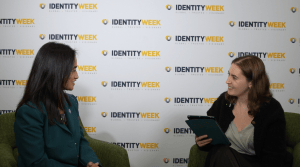
As organizations connect growing numbers of cloud applications, identity management increasingly influences governance, compliance, operational efficiency, and business continuity. Sridevi Mutyala discusses the challenges organizations encounter as access-management decisions scale across increasingly interconnected enterprise environments.
Written by Ellen F. Warren
Sridevi Mutyala is a Principal Technical Support Engineer specializing in Identity and Access Management, where she supports complex enterprise identity, authentication, and access-governance initiatives across Oracle Fusion Applications and cloud environments. Over the past 15 years, she has worked extensively with single sign-on architectures, role-based access control, identity lifecycle management, provisioning automation, compliance programs, and cloud-security integrations supporting large global enterprises.
Throughout her career, Sridevi has led and supported large-scale identity and access-management initiatives for global enterprise organizations, helping design and govern authentication, authorization, provisioning, and access-control frameworks across increasingly complex application environments. She has served as a security subject matter expert, advised cross-functional engineering and product teams, supported compliance and audit efforts, and contributed to enterprise identity architectures that support millions of users worldwide. Her work has earned internal recognition for technical leadership and security excellence, including Oracle’s Spot Award and Round of Applause Award.
As application ecosystems continue to expand, organizations are discovering that identity management affects far more than authentication and access control. Decisions involving governance, ownership, provisioning, and access reviews can influence productivity, compliance, operational continuity, and user experience across the enterprise. In this interview, Sridevi discusses the lessons she has learned helping organizations navigate increasingly interconnected environments and explains why sustainable identity management depends as much on governance and accountability as it does on technology.
You have spent much of your career supporting identity and access-management (IAM) programs across large enterprise environments. What first attracted you to IAM, and what has kept the field interesting throughout your career?
What drew me to IAM is that every time we log in to an application, security is involved. Identity and access management is about making sure the right people have access to the right applications and resources, and only under the appropriate circumstances. Identity has become one of the most important ways organizations protect their critical assets. Being part of this evolving field and helping organizations balance security, compliance, and a smooth user experience has kept the work interesting and rewarding throughout my career.
People tend to think of identity management primarily as a security function. How has your experience shown that IAM decisions can affect broader business operations?
IAM is often viewed through a security lens, but it has a much broader operational impact because it affects how employees, contractors, partners, and customers access the systems and information they need to do their jobs. Assigning the right roles and access privileges helps people work efficiently while maintaining appropriate security controls.
IAM also supports audit and compliance requirements, mergers and acquisitions, and the overall user experience. When access is managed effectively, organizations can reduce operational friction, improve productivity, and maintain stronger control over sensitive information. Poor access management creates the opposite effect, increasing help-desk costs, introducing compliance risks, and slowing business processes.
Identity and access management has changed significantly during your career, from largely directory- and authentication-focused programs to highly interconnected cloud environments. Which changes have had the greatest impact on the way you approach governance and security today?
One of the biggest changes I have seen is the shift from managing access within company networks to managing access across cloud applications and services. In the past, IAM was mainly about user accounts and passwords. Today, identity is one of the most important parts of security.
Organizations now need to manage access for employees, contractors, partners, and remote workers across many different systems. This has made access management more complex and increased the need for stronger governance and security controls. Another big change is automation. With so many users and applications, manual access management is no longer practical. Automated provisioning, deprovisioning, and access reviews help organizations stay secure and efficient. While the technology continues to evolve, organizations still face the same fundamental challenge: ensuring that the right people receive the right access at the right time while protecting critical systems and data.
Organizations today manage far more connected applications, users, and access relationships than they did a decade ago. What new governance and access-management risks emerge as those environments become more interconnected?
As organizations adopt more applications and cloud services, maintaining visibility into who has access to what becomes much more difficult. Employees change roles, contractors come and go, and new systems are added continuously. Without strong governance processes, access that was once appropriate can remain in place long after it is needed.
The growing number of integrations also increases the risk of inconsistent access policies across systems. Regular access reviews, clear ownership, and strong governance practices become increasingly important because organizations need confidence that sensitive information is being accessed only by the people who require it.
In your experience, what are some of the most common access-governance problems organizations discover during major cloud-transformation initiatives?
One of the most common issues is that users accumulate access over time as they move between roles, projects, and departments. Organizations also frequently discover that they lack a complete view of who has access across all applications and cloud environments.
Another challenge involves role design and lifecycle management. Custom roles are often created to address specific business needs, but those roles can persist long after the original requirement disappears. Without regular governance and review processes, access models become increasingly difficult to manage and audit.
Enterprise environments often contain multiple applications, approval processes, and ownership models. Why does maintaining consistency across those systems become so challenging over time?
Enterprise environments rarely grow according to a single plan. Over time, organizations add new systems, expand into new business areas, acquire companies, and adapt existing processes to support changing requirements, which means different parts of the application landscape often evolve independently of one another. As those environments become larger and more interconnected, differences in access models, approval workflows, and ownership structures begin to emerge.
The challenge is that those differences are not always visible until organizations try to apply consistent governance across the entire environment. What works well within an individual application may not align with the policies, ownership structures, or operating procedures used elsewhere. Maintaining consistency therefore requires organizations to look beyond individual systems and establish common governance principles that can be applied across the broader application landscape.
You have worked extensively with single sign-on, federation, provisioning, and role-based access control technologies. Which identity management problems are primarily technical, and which tend to be organizational?
The technology behind identity management has become increasingly sophisticated, but integrating and maintaining those environments can still be challenging. Organizations often need to connect multiple identity providers, cloud applications, and authentication systems that were not originally designed to work together, while also supporting provisioning, federation, and single sign-on requirements across the enterprise. As those environments grow, even routine changes can require careful coordination among multiple systems and teams.
In my experience, however, the more difficult challenges are often organizational. Defining who should have access, identifying application owners, establishing approval processes, maintaining accurate role definitions, and aligning business teams around consistent access policies typically require much more coordination than the technology itself. IAM platforms can provide the tools, but long-term success depends on clear governance, strong ownership, and collaboration among the teams responsible for managing access.
Compliance and audit requirements continue to grow across many industries. How can organizations build governance practices that support both security objectives and operational efficiency?
As compliance and audit requirements continue to grow, organizations need governance processes that are both effective and practical. In my experience, clearly defined roles, established ownership, and regular access reviews provide a strong foundation because they help ensure that users receive appropriate access while supporting security and compliance requirements.
At the same time, governance should not create unnecessary obstacles for the business. Employees need timely access to the systems and information required to do their jobs, so organizations must balance control with usability. The most effective programs are those that make access decisions consistent, transparent, and easy to manage while maintaining appropriate security safeguards.
The identity management challenges facing organizations today are very different from those that existed earlier in your career. How has that shift influenced the way you lead governance, security, and access management initiatives across complex cloud environments and build alignment among the teams responsible for them?
The growth of cloud applications and remote work has significantly increased the number of systems, identities, and access relationships organizations must manage. In these environments, governance cannot be treated as a responsibility owned solely by security teams.
Building alignment requires ongoing collaboration among security, IT, application owners, and business stakeholders. My focus is creating clear ownership, consistent governance processes, and shared accountability so that organizations can maintain strong security controls while still supporting business agility.
You have served as a security subject-matter expert for release-readiness testing and supported complex identity and access management initiatives across large enterprise environments. What responsibilities come with being the person organizations rely on when critical security and governance decisions must be evaluated before deployment?
As a security expert, my job is to make sure everything is checked properly before it goes live. I need to review the requirements, test how it works, and make sure the right security controls are in place. I also need to make sure users have the correct access and that nothing will cause problems after release.
I work closely with different teams to find and fix issues early. When organizations rely on your judgment during release-readiness reviews, the responsibility extends beyond validating functionality. You need to evaluate security implications, confirm that appropriate controls are in place, and identify potential risks before deployment.
You have spent much of your career investigating complex identity, provisioning, and access-control issues. What patterns tend to appear repeatedly when organizations encounter persistent IAM challenges?
SM: Many persistent IAM challenges can be traced back to a lack of visibility, ownership, or governance. One common issue is that users retain access they no longer need after changing roles, moving between departments, or taking on new responsibilities. Another is uncertainty around application ownership, which makes it difficult to determine who should approve, review, or maintain access.
I also frequently see situations where business teams and technical teams have different expectations about how access should be managed. When those expectations are not aligned, organizations often experience security risks, compliance concerns, and operational inefficiencies. Regular reviews, clear ownership, and ongoing communication remain some of the most effective ways to prevent those issues from becoming long-term problems.
Identity management touches nearly every business process in a modern enterprise. Based on the issues you encounter most frequently, what lessons would you most like organizations to understand before embarking on their next major transformation initiative?
One thing I have learned is that a successful transformation project is not just about implementing new technology. Before making big changes, organizations need to understand who has access to their applications, who is responsible for approving access, and who owns each application. If these things are not clear from the beginning, it can create problems later.
I have seen many projects where organizations move applications to the cloud but do not review existing access first. This often leads to users having too much access, confusion about approvals, and security or compliance issues. It is much easier to fix these things before the migration than after.
Another lesson is that everyone needs to work together. Business teams, application owners, security teams, and IT teams should all be involved from the start. When everyone understands their roles and responsibilities, the project runs much more smoothly.
In the end, technology is only one part of the solution. Technology can enable a transformation, but long-term success depends on governance structures, clearly defined responsibilities, and sustained collaboration across the teams responsible for managing