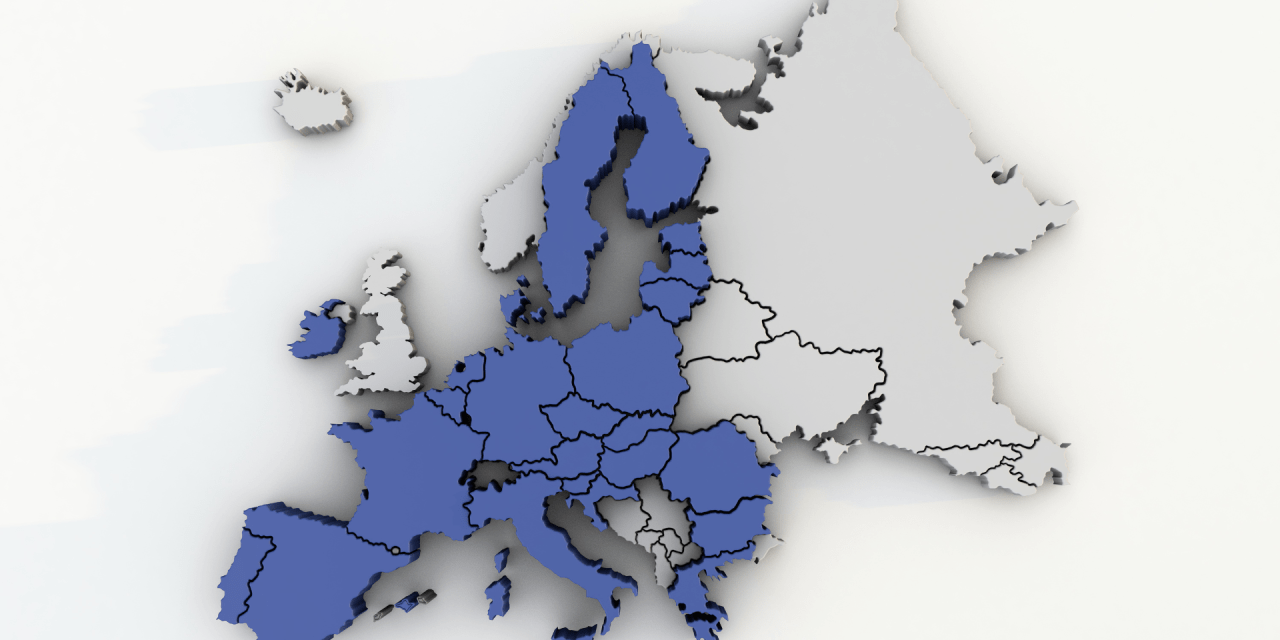
A pilot initiative between Japan and the EU has successfully implemented cross-border credential presentation, issuance and verification scenarios. The pilot will test the feasibility of cross border exchange – interoperability – of learning credentials between the EU digital ID Wallet and the Japanese environment.
As the EU digital Wallet development and build has progressed, and indeed in the case of developing any digital ID, a critical use case explored to determine if a credential is fit for purpose is interoperability.
Both sides, referring to the EU’s initiative and Japan’s credential, MyNumberCard, will confirm if the verification, presentation and verification of credentials can be achieved by utilising Verifiable Credentials and Digital ID Wallet and e-Seals.
They will be exploring the technical requirements and implementation challenges of securing cross border interoperability to enable digital identity solutions within the EU and individual countries to full operate and connect even when a user is overseas in another region.
This will therefore entail organising the standards and frameworks to work through technical challenges, which also includes aligning on interpretations of technical specifications and methodologies and sharing a solid understanding of approaches to “selective disclosure for secure digital credential exchange”.
The report on the “Pilot Project of Educational Credentials” goes further to say that both countries “should establish the core technology stack that can handle international interoperability requirements while both sides have different governance frameworks – such as laws, regulations, and certification system of trust services – and different technical architectures”.
This progress represents a unified approach towards building international digital ID ecosystems everywhere which have stakeholder confidence in the viability of cross-border digital identity solutions.
The European Commission published the full results of the pilot with Japan.
Japan’s My Number Card is being re-positioned from being a government credential to being a platform for private sector services verifying customers using state-issued identity.
Setting this partnership on track, Japan and the EU signed an MoU agreement aiming to facilitate Data Free Flow with Trust between the two regions, meaning they will focus on advancing digital cooperation and troubleshooting digital issues through different mechanisms.
As cross-border and wallet-based identity proofing gain momentum, understanding the underlying assurance frameworks is critical. You can learn how relying parties and CSPs are navigating these requirements by checking out the NIST SP 800-63-4C and Kantara Initiative session at Identity Week America 2026.