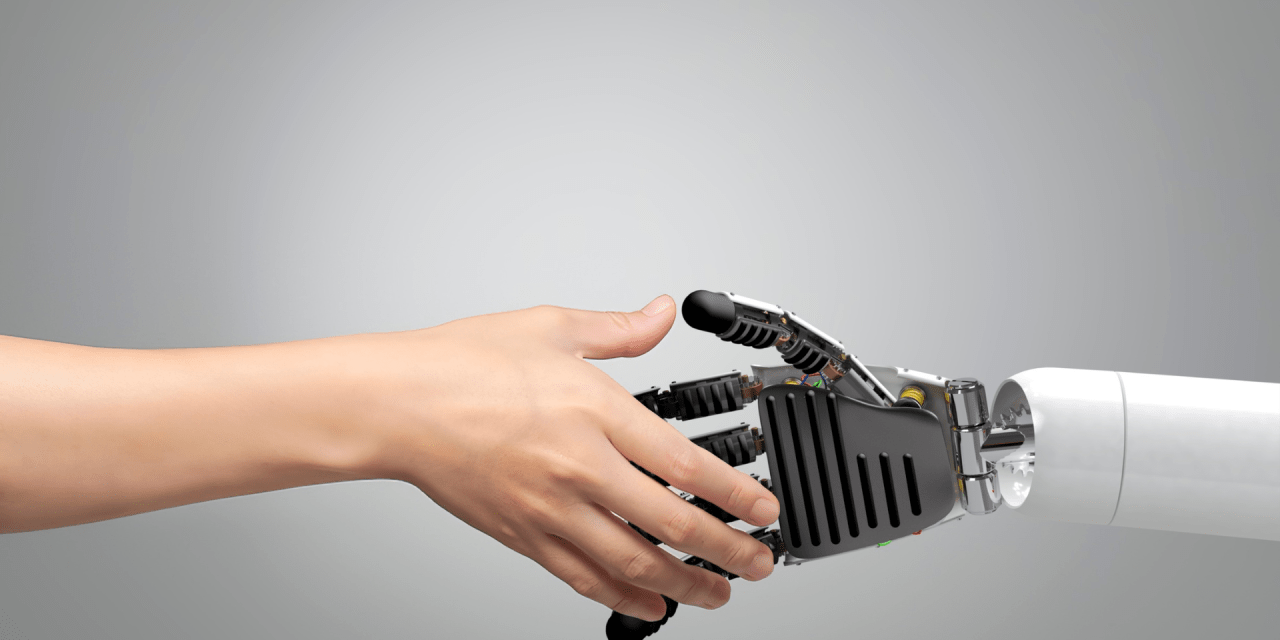
As companies realise the boost to efficiency from using AI agents for operational uses, we are seeing more legitimate, approved agents trying to gain access permissions in place of a human—whilst the human has ultimate authority over them, and always will.
The focus has been to verify humans and not just identities. However, AI agents are identities that need to be assessed and validated as businesses explore their genuine use. To this end, Estonia would like to bestow AI agents with their own digital identity credentials to act on behalf of companies, authorised by the state, which would be totally separate from a human’s set of credentials that could impersonate them.
Moving on with the design of an “AI ID Code”, the Eesti.ai advisory board envisions that the agent could assist with digital tasks, interact with information systems, and increase operational productivity for organisations, people, and entities.
Prime Minister Kristen Michal has agreed that Estonia will move forward with the creation of digital identities for AI agents, or “AI ID codes”.
We don’t want bots or fraudulent identities gaining unauthorised access where data theft could take place and compromise critical systems. This is why there was a shift away from the term verifying “identities” instead of humans, because previously only humans would legitimately need access. However, AI machines that can behave in similar ways to humans during the onboarding process have been given the green light, within “clearly defined limits” and in a manner that is both “verifiable and auditable”.
With AI firmly in our future, AI can shape digital transformation and further advance Estonia’s digital reputation as they can shape “one of the standards of the next digital age”.
The agents will be given “controllable powers” on set tasks and processes, to prevent situations where individuals or organisations are required to grant AI assistants access to all of their rights, services, and data.
It must be possible to specify whether an AI agent may only view data, prepare a document, or draw up a payment acting solely within its specific limits, whilst the human audits and has overall authority.
“The success of Estonia’s digital state was built on trust,” the head of government noted, as the nation has delivered advanced digital identity systems, digital signatures, and footprints that have “made the country faster, simpler, and more secure”.
Facing the AI agent age, they are faced with an opportunity to adopt the technology that acts autonomously to make life easier, but without humans losing control and accountability.
“If we act quickly, and smartly, Estonia will become the first country in the world to create official digital identities for AI agents,” he said.
This was officially announced by the Estonian Government’s Stenbock House and Prime Minister Kristen Michal following an advisory board meeting.
By giving designated authority, Estonia has troubleshot the issue of an agent acting as a user and taking a person’s credentials and passwords.