One in every 100 identity check failures involves a deepfake document, image or liveness video, according to LexisNexis Risk Solutions. Deepfakes are now one of the fastest-growing fraud vectors worldwide with millions predicted to appear in fraud attempts in 2026 and passports, driver’s licenses and national IDs are the most faked identity documents.
The global fraud prevention specialist says it has seen a 180% year-on-year increase in attacks and warns that the quality and sophistication of deepfake documents and images improves daily. Juniper Research estimates the number of digital ID verification checks carried out globally will reach 100.4 billion in 2026, up 16% year on year.
“Deepfakes vastly complicate digital identity verification. Protecting against this surge of attacks requires a solid line of defence incorporating end-to-end capture, fraud analysis and liveness checks.” says Kimberly Sutherland, global head of fraud and identity at LexisNexis Risk Solutions. “Even the smallest gap in your defences is like an open window that a fraudster can climb through.”
Bad actors use deepfakes to bypass identity checks and create new accounts or take control of existing user accounts to make unauthorised payments, withdrawals and online purchases, launder the proceeds of crime, or abuse new customer bonus incentives. One in every 11 new account creations in 2025 was a fraud attack and almost a fifth of all reported fraud involved unauthorized access of customer accounts, according to the company’s latest Cybercrime Report.
As deepfakes become more realistic, identity checks need to be capable of spotting nuanced flaws in document security features and closely examine facial expression and skin tone.
Sutherland continued, “Highly realistic deepfakes call for forensic examination of hundreds of security features: document structure, image integrity, holograms, etching and microtext. Deepfakes typically fail on several minor flaws, as opposed to physical forgeries that fail on one major issue, but they are not easy to spot with the human eye during manual checks. The same goes for deepfake images and videos. Checks need to assess micro movements in facial muscles, analyse light reflection and detect image manipulation and injection tactics.”
Analysis shows that fraudsters favour high-value, reusable identity documents, including passports, driver’s licenses and national ID cards, with the most highly sought after documents issued by the United States, United Kingdom, Germany and France.
Shane O’Sullivan, research analyst at Juniper Research, added, “As digital identity verification evolves, the core requirements shift toward the technical ability to integrate multiple trust signals into a coherent system architecture. Effective solutions depend on the coordination of document authentication, biometric liveness detection and real-time risk analysis within a single workflow. Increasingly, fraud detection system success is defined by how well it can detect advanced threats such as synthetic identities and deepfakes while maintaining interoperability across standards and minimising latency and user friction.”
Sutherland concluded, “The risk to businesses is real from both a financial and reputational standpoint. The reality is that AI-generated attacks are practically doubling year over year and getting more sophisticated with every attack.”
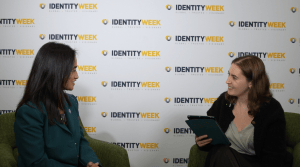
At Identity Week America 2026, learn how government, banking, and academic leaders are fortifying those windows.
Featured Sessions on the Agenda:
Facial Recognition to Combat Deepfakes in the Recruitment Process
- Nader Nassar, Director of Engineering: Cybersecurity & IAM, Capital One
PANEL: Beyond the Unlock: Practical Applications, Future Use Cases, and the Technology Driving Next-Gen Facial Recognition
- Moderator: Richard Vorder Bruegge, Owner, ForensicVB LLC
- Nael Samha, Executive Director, U.S. Customs & Border Protection🎤 Patrick Grother, Lead Scientist, NIST
- Thirimachos Bourlai, Professor, University of Georgia
- Jay Meier, Chief Identity Technology Strategist, FaceTec