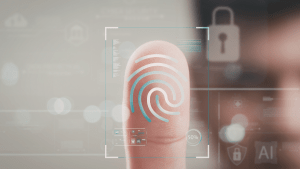
An LAPD detective was earlier this year permitted to use a suspect's finger to unlock their iPhone, according to a warrant.A warrant uncovered by Forbes magazine and dated 25 February 2016, related a case where the detective was permitted to take the latter's fingerprints to open up their iPhone.This goes against both the standpoint of Apple as highlighted in the FBI case, but fits with a ruling in 2014 by an American judge, who declared it legal to use criminal suspects' fingerprints to open up smartphones – as opposed to a passcode.Circuit Court Judge Steven C Frucci ruled that, similar to DNA or handwriting, defendants in criminal cases can be forced to submit their fingerprints to unlock mobile devices. Passcodes and passwords are still protected by the Fifth Amendment.Law enforcement agencies have frequently expressed dismay at the tougher encryption becoming employed on iPhone and Android operating systems.The dispute came to a head this year with the FBI asking Apple to unlock an iPhone used by San Bernardino terrorism suspect gunman Syed Farook.



Recent Articles
- Ditto launches to orchestrate next generation identity with cryptographic certainty

- Europe’s blind spot in biometric tech: Why the EU needs its own testing power
- Securden unveils the world’s first truly unified identity security platform at RSA Conference 2026
- Must-see panels about border biometrics, digital wallets and non-human identity (VIP)
- Cybercrime ‘Gravy train’ under scrutiny as security leaders warn of rapidly evolving threat



Recent Video
- Jorrisa Neuterlings on enhancing AI-powered mobile customer journeys
- Will asylum seekers adopt government Digital ID? Netherlands demonstrate a real-world pilot
- Filippo Chiricozzi on Web3, digital ID and the future of finance
- Stephen Chapman praises UK passport system, calls for international standards to support national systems
- Michelle Wilson on building Blue Cavalry Solutions and advancing interoperable digital ID