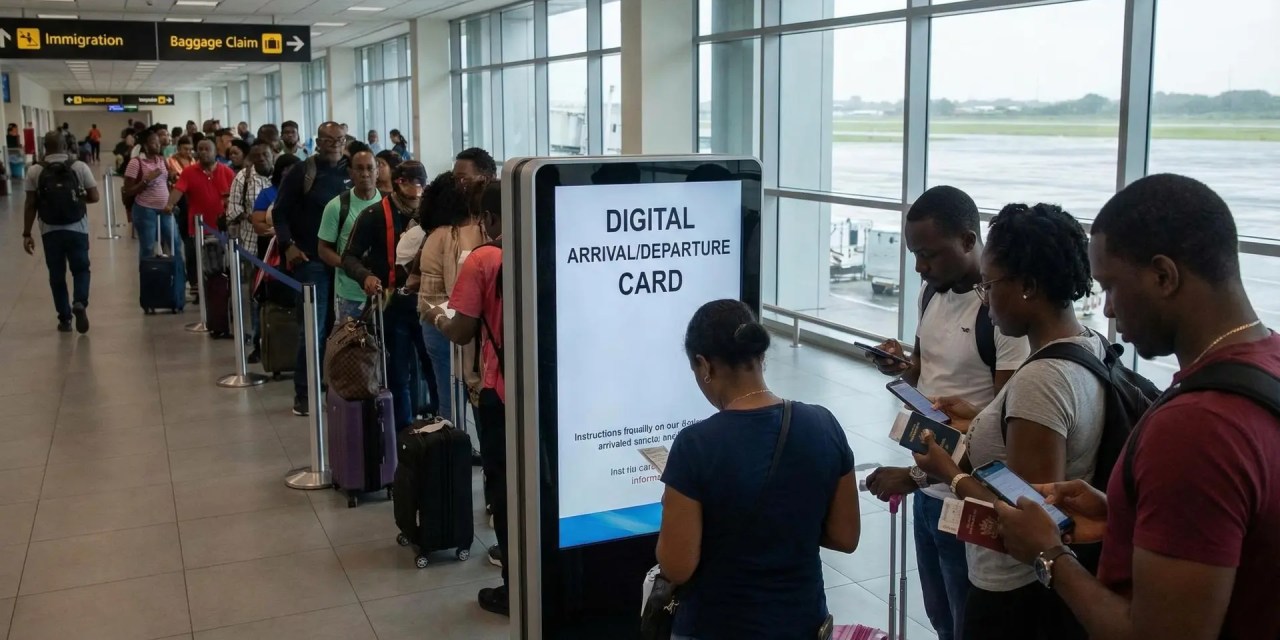
Trinidad and Tobago has moved its border paperwork online with the government unveiling a digital Arrival/Departure Card platform that will be fully operational from 17 March 2026, with the system accessible from 14 March to allow travellers to familiarise themselves ahead of implementation. According to reporting in the local press, the platform replaces the paper disembarkation and embarkation forms previously completed at ports of entry and exit and aims to speed processing for passengers.
Speaking at the launch, Minister of Homeland Security Roger Alexander described the upgrade as long overdue and urged travellers to use the new portal. “This has been long overdue. We have been left behind somewhat primitively, but today is a new day. In fact, when you had paper-based situations to fill out, that was an era then. That era has come and gone. Passengers will simply complete the online forms, upload the bio-data page of their passport, and receive a digital receipt with a QR code which can be presented to the Immigration and Customs officers upon arrival or departure.”
He also acknowledged contingency arrangements: “Just like in any other system, just in case that we have any issues, we’ll keep some forms available in case we have to return to those forms for a short time to fix any glitches that it may have because everything new sometimes starts off sometimes very rocky, and we intend to treat it like that.”
Government ministers framed the move as part of a broader digital push. Minister of Public Administration and Artificial Intelligence Dominic Smith recalled initiating a joint committee soon after taking office to tackle what he characterised as a straightforward technological upgrade, stressing collaboration with stakeholders including regional security bodies and internal agencies. The ministry says staff will be present at airports to assist passengers unfamiliar with the system.
Practical details published by local outlets indicate travellers will create an account on the government portal, complete the form and upload an image of the passport bio-data page; the online form may be completed within a 72-hour window before arrival or departure and yields an electronic receipt with a QR code for inspection by Immigration and Customs officers. The departure questionnaire mirrors the arrival form but typically excludes customs declarations; both require flight and personal data and an email address for confirmations.
The online card follows a regional trend toward electronic entry systems that accelerated during the COVID-19 era. The British Virgin Islands moved from pilot to mandatory use of a digital embarkation/disembarkation card at the start of 2025, a pattern echoed across other Caribbean jurisdictions that have cited efficiency and improved visitor processing as incentives for change. Tourism officials in Trinidad and Tobago have argued that e-passports and digital arrival/departure forms will strengthen the visitor experience and supply more timely data for policy and planning.
The launch arrives amid parallel digital initiatives at the Ministry of Homeland Security, including a partly digitised Migrant Registration Framework introduced for 2026 that required online pre-registration followed by in-person appointments. Officials present the new arrival/departure platform as complementary to those modernisation efforts, saying the combined measures are intended to modernise border management while keeping contingency options open should early technical problems arise.