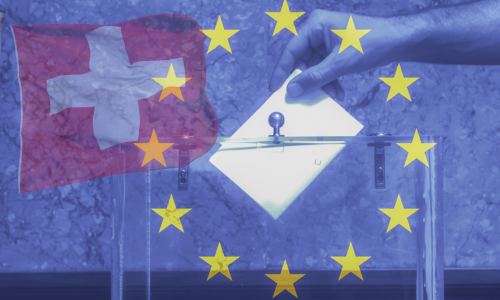
A second referendum vote on e-ID has narrowly passed in favour of issuance led by the federal government.
The ballot had just enough votes for e-ID with 50.4% of voters in support of the benefits of electronic ID cards, while 49.6% of opponents clearly felt that challenges remain. The high projections for how many citizens would be in favour of digital IDs, as much as the government, resulted in a modest margin in the end, despite the vote this time around proposing to have a redesigned federal e-ID, built on the principles of privacy by default and design.
Voters initially rejected the first ballot in March 2021 based on the proposed involvement of private providers creating the e-ID, which clearly earmarked the project for “federal responsibility”. The proceedings will now accelerate the government’s scheduled rollout of the e-ID through the Swiyu app in 2026.
One online commenter, Jörg Lenz from Namirial Group conveyed balanced viewpoints of both supporters and opponents and said the initiative can now be referred to as e-ID 2.0.
In the second ballot, the narrow approval of e-ID for some showed the divided trust and confidence in allowing the government to handle digital projects and deliver on data protection and decentralised storage of e-IDs.
The protection of citizens’ personal information should be tightly bound to any digital service or solution. Other large-scale e-ID projects across Europe are judged by the same indicators of progress, Lenz suggested.
Jörg Lenz said the same “patterns of skepticism emerge if citizens perceive risks in data governance or lack confidence in state digital capacity” to deliver the European Digital Identity Wallet. The new technical design of an e-ID system alone will not determine its success without complete trust.
The Swiss state is now issuing and managing an optional, free e-ID with support from this vote. Citizens who see the benefit of it will have control over the data they share, based on an open source and interoperable framework, to make secure transactions with the public or private sector. The e-ID would help citizens prove their ID or age for any purchases and have the option to use a physical ID instead if they want.
Discussions across the Identity Week Europe 2026 conference agenda, particularly the Digital ID in Government, Digital ID in Finance, and Digital Wallet sessions, clearly indicate a growing public and political readiness for state-backed digital credentials. Attendees will gain direct insight into this momentum from government credential issuers, identity providers, large scale consortia, and public-private partnerships already shaping the European dialogue on secure, citizen-centric digital identity solutions months before the successful vote.