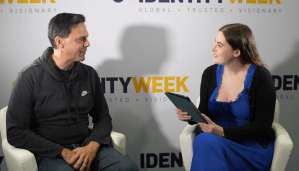
In a recent exclusive interview, we heard Mike Slaugh, Principal Engineer for Information Systems at Amazon Business, explain that Amazon treats authentication as a continuous process, not a one-time event. It starts with verifying who a user is at login, but risk is assessed throughout the entire session, watching for unusual behaviours or signals to ensure ongoing confidence in the user’s identity. This is especially critical as they have a global user base exceeding one billion accounts.
Although at the centre of Amazon’s next-gen security strategy, passkey adoption still varies worldwide with North American users often being stubbornly loyal to passwords, while markets that grew up on mobile tech embrace passkey authentication more naturally. To bridge this gap, Amazon focuses on customer education and strategic nudges to encourage users to add passkeys.
Slaugh also addressed the effortless abilities of fraudsters harnessing AI to create flawless phishing attempts. But AI is equally a weapon for defenders, as Amazon uses it to spot anomalies in massive datasets and help identify fraud patterns.
Finally, he pointed out that financial services, with their rigorous “Know Your Customer” standards, offer valuable lessons for e-commerce. Borrowing those verification techniques can help Amazon and others better understand their customers, tailor experiences, and strengthen protection at scale.
At Identity Week America 2026, sessions on password-less authentication, passkey adoption, and scalable, user-friendly identity solutions will highlight identity innovations. Speakers like Michael will shape discussions around zero-trust security models, emphasizing continuous verification, and non-human identity management, advocating for automation to reduce manual processes. Attendees can expect actionable insights on strengthening security, improving operational efficiency, and future-proofing identity strategies – critical takeaways for any organization navigating today’s rapidly evolving threat landscape.