With fewer security features and less robust guidelines, national ID cards are still an attractive target for bad actors, accounting for nearly half of fraudulent documents globally (46%), a new Entrust report reveals. The other types of fraudulent ID documents, for example passports, driver licences, and visas, are a lot less common and split in lower percentages.
All the research suggests the prevalence of deepfake attacks especially creating high-risk scenarios for the financial sector.
1 in every 5 biometric fraud attempts are connected to deepfakes where hackers deploy synthetic identities, face swaps and animated selfies to convince biometric systems that a real, genuine person is verifying their identity.
In 2025, social engineering techniques are on the rise where the last assurance of human interaction is exploited on top of automated technology that is scaling fraud attacks. These attacks manipulate victims into using their own real identity credentials.
“With over 1 billion identity verifications conducted across 195 countries and more than 30 industries, Entrust offers unparalleled insights into how fraud operates and how to help mitigate it,” said Tony Ball, President of Payments & Identity and Incoming CEO at Entrust. “Our global reach and deep fraud intelligence mean we’re uniquely placed to drive continuous innovation and share meaningful insights for customers. The future of digital trust lies in layered, identity-centric strategies powered by AI, delivering fraud prevention and seamless user experiences.”
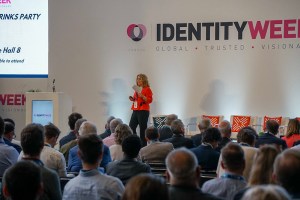
As a Diamond Sponsor at Identity Week Europe 2026 on 9-10 June and a Silver Sponsor at Identity Week America 2026 on 2-3 September, Entrust will be a leading voice in the discussion around identity and fraud trends. From the exhibition floor to the conference stage, Entrust will showcase their solutions and expertise during the Biometrics at the Borders session, an on-floor seminar speech, and an executive keynote.
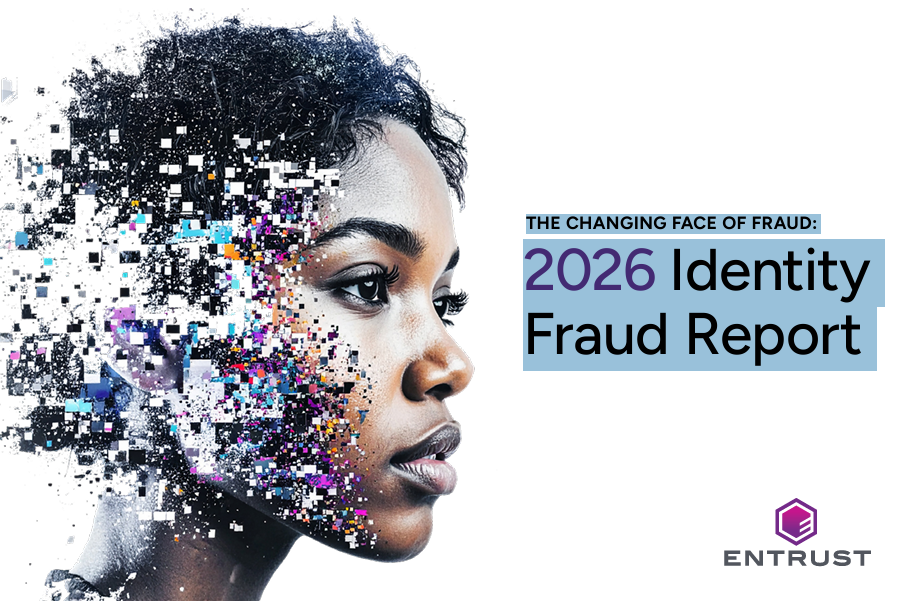
Read Entrust’s latest report, ‘THE CHANGING FACE OF FRAUD: 2026 Identity Fraud Report’